Category: UNITECH-HUB

  • L’estate della Trasparenza – Come le Piattaforme Blockchain Stanno Ridefinendo la Conformità Normativa nei Giochi d’Azzardo Online

    L’estate 2026 porta con sé un’ondata di energia nei saloni virtuali: i giocatori sono più numerosi, le sessioni più lunghe e la ricerca di esperienze sicure è al centro della scelta. I dati di traffico mostrano un incremento del 18 % rispetto all’anno precedente, spinto da promozioni estive, tornei live e nuove modalità di gioco basate su NFT. In questo contesto, la trasparenza non è più un optional, ma una vera e propria condizione per rimanere competitivi.

    Parallelamente, cresce l’interesse verso i siti casino non AAMS, ovvero piattaforme che operano fuori dalla tradizionale autorità italiana ma che offrono licenze internazionali più flessibili. Per approfondire l’offerta disponibile, i lettori possono consultare la risorsa dedicata ai siti casino non AAMS, dove è possibile trovare una panoramica aggiornata delle opzioni più affidabili.

    Questo articolo esaminerà come le tecnologie blockchain stiano fornendo nuovi strumenti per la conformità normativa, migliorando trasparenza, auditabilità e fiducia. Analizzeremo i meccanismi di “proof of compliance”, i casi studio di piattaforme leader, l’impatto sulla responsabilità del giocatore e le sfide ancora aperte per gli operatori.

    Nella prima parte esploreremo il legame tra blockchain e regolamentazione, seguita da una panoramica delle soluzioni più innovative. Proseguiremo con la responsabilità del giocatore, le difficoltà tecniche, il ruolo dei token, un caso di studio estivo, le prospettive future e, infine, una checklist pratica per i giocatori che vogliono verificare la trasparenza di un sito casino.

    1. Blockchain e Regolamentazione: un Matrimonio Necessario

    La blockchain, con la sua natura immutabile, risponde perfettamente alle richieste delle autorità di tracciabilità. Ogni transazione di gioco – dalla puntata al payout – viene registrata in modo permanente, impedendo manipolazioni retroattive. Questo è particolarmente utile per le commissioni di vigilanza che richiedono prove incontestabili di conformità.

    Nei registri pubblici, come Ethereum, tutti gli eventi sono visibili a chiunque, garantendo massima apertura. Al contrario, le blockchain permissioned consentono a un gruppo selezionato di validator di scrivere e leggere dati, offrendo un equilibrio tra privacy e supervisione. Le autorità possono così richiedere accesso a nodi autorizzati senza esporre informazioni sensibili dei giocatori.

    A livello europeo, la nuova eGaming Regulation e l’AMLD5 spingono verso l’adozione di DLT per migliorare l’anti‑money‑laundering e la prevenzione del gioco d’azzardo patologico. Entrambe le normative prevedono la possibilità di utilizzare smart contract per automatizzare i controlli di KYC e per generare report in tempo reale.

    1.1. La “Proof of Compliance” – Un nuovo standard di certificazione

    La proof of compliance è un certificato digitale generato da smart contract che dimostra, in maniera verificabile, il rispetto di regole specifiche (es. limiti di puntata, verifiche di età). Quando una transazione avviene, il contratto registra un hash che può essere controllato da auditor indipendenti senza rivelare dati personali.

    1.2. Audit in tempo reale grazie ai nodi validator

    I validator monitorano costantemente il flusso delle transazioni di gioco. Ogni blocco viene validato contro regole predefinite: se una scommessa supera il limite di volatilità consentito, il nodo la rifiuta. Questo permette un audit continuo, eliminando la necessità di controlli periodici retrospettivi.

    2. Le Piattaforme Leader che Stanno Innovando la Trasparenza

    Piattaforma Tecnologia principale Risultati chiave
    CryptoSpin zk‑SNARKs per anonimato verificabile Frode ridotta del 35 % in 12 mesi
    BlockBet Sidechains dedicate al gaming Tempo medio di payout 2 s
    FairPlay.io Oracoli decentralizzati per RNG RTP certificato al 98,2 %

    CryptoSpin ha introdotto zk‑SNARKs per dimostrare la correttezza dei risultati senza rivelare il seed del generatore di numeri casuali. BlockBet utilizza sidechains per gestire picchi di traffico durante i tornei estivi, mantenendo costi di gas bassi. FairPlay.io si affida a oracoli decentralizzati per fornire numeri casuali certificati, riducendo le dispute sui jackpot.

    Queste soluzioni hanno permesso una diminuzione delle segnalazioni di frode del 35 % in un anno, un risultato che ha spinto altri operatori a valutare l’adozione di tecnologie simili. Per chi vuole approfondire la lista dei nuovi casino non AAMS più affidabili, Dealflower offre una sezione di riferimento aggiornata mensilmente.

    3. Impatto della Blockchain sulla Responsabilità del Giocatore

    I dati on‑chain consentono di tracciare in modo preciso i pattern di puntata di ciascun wallet. Algoritmi di machine learning possono identificare rapidamente segni di gioco compulsivo, come aumenti repentini di volume o frequenza di scommesse su giochi ad alta volatilità. Quando il sistema rileva un comportamento a rischio, può attivare limiti di spesa automatici tramite smart contract, bloccando ulteriori puntate fino a nuova verifica.

    L’integrazione con enti di supporto, come GamCare, avviene attraverso protocolli di messaggistica criptata che preservano l’anonimato del giocatore. In questo modo, la piattaforma può offrire assistenza senza violare la privacy, mantenendo al contempo una tracciabilità verificabile per le autorità.

    3.1. Strumenti di auto‑esclusione basati su token

    Gli operatori stanno sperimentando token di auto‑esclusione: il giocatore acquista un NFT che, una volta “burned”, rende impossibile l’accesso al proprio account per un periodo predefinito. Il vantaggio è la trasparenza – il token è pubblicamente verificabile – e la rapidità di attivazione, rispetto ai tradizionali moduli cartacei.

    3.2. Reporting trasparente per le autorità di tutela

    I regulator possono richiedere report aggregati firmati digitalmente da smart contract. Questi documenti contengono metriche chiave (RTP, volume di gioco, segnalazioni di abuso) senza esporre dati personali. La verifica avviene tramite una semplice chiamata a un explorer, garantendo rapidità e affidabilità.

    4. Sfide Normative e Tecniche nella Implementazione della Blockchain

    L’interoperabilità tra blockchain pubbliche e private resta una sfida: i dati devono essere trasferiti in modo sicuro tra una sidechain ad alta velocità e la mainnet per garantire l’immutabilità. Inoltre, la giurisdizione dei nodi distribuiti complica la definizione di quale legge si applica in caso di disputa.

    Il rischio di “regulatory arbitrage” è reale: alcuni operatori potrebbero spostare le operazioni su giurisdizioni più permissive, minando l’efficacia delle normative nazionali. Le autorità stanno rispondendo con proposte di registrazione obbligatoria dei validator, creando un registro pubblico dei nodi che partecipano a giochi d’azzardo regolamentati.

    5. Il Ruolo dei Token Utility e delle Criptovalute nei Casinò Regolamentati

    I token di gioco (ad es. $SPIN) funzionano come utility per acquistare crediti, partecipare a tornei o sbloccare bonus. Le stablecoin, come USDC, offrono un valore stabile, riducendo il rischio di volatilità per i giocatori. Le criptovalute tradizionali (BTC, ETH) vengono spesso convertite in token interni per semplificare la gestione fiscale.

    Le licenze AAMS tendono a richiedere l’utilizzo di valute fiat, ma i casino non AAMS accettano una gamma più ampia di asset digitali, facilitando operazioni transfrontaliere. Dal punto di vista fiscale, gli operatori possono beneficiare di una minore pressione tributaria grazie a conversioni interne, mentre i giocatori godono di depositi e prelievi quasi istantanei.

    6. Caso di Studio Estivo: Un Casinò Blockchain che Ha Ottenuto la Licenza di Conformità in Italia

    SolarBet, un progetto fittizio lanciato a gennaio 2026, ha puntato a ottenere una licenza di conformità italiana entro l’estate. Il percorso è iniziato con un audit approfondito del codice degli smart contract, condotto da una società di sicurezza certificata. Successivamente, SolarBet ha stretto una partnership con l’Agenzia delle Dogane per integrare un oracolo che verifica in tempo reale le transazioni AML.

    Il test di stress ha simulato 1 milione di puntate simultanee, dimostrando che la piattaforma poteva gestire picchi senza perdita di integrità. Dopo aver soddisfatto tutti i requisiti, la licenza è stata rilasciata a luglio. I risultati economici sono stati notevoli: durante i mesi di luglio‑agosto, SolarBet ha registrato un aumento del 45 % di nuovi utenti, con un volume di gioco medio per utente superiore del 30 % rispetto ai concorrenti tradizionali.

    7. Prospettive Future: Normative Emerging e Innovazioni Tecnologiche

    L’Unione Europea sta valutando il “Digital Gaming Act”, che potrebbe uniformare le regole di trasparenza per tutti i giochi d’azzardo online, obbligando all’uso di soluzioni DLT per la registrazione delle transazioni. Parallelamente, si prevede l’avvento di “Layer‑2 compliance”, dove le verifiche di conformità avvengono su rollup ottimizzati, riducendo i costi di gas e migliorando la scalabilità.

    Le tecnologie di privacy avanzata, come le proof‑of‑knowledge zero‑knowledge, permetteranno di dimostrare la correttezza dei risultati senza rivelare dati sensibili. Entro il 2028, il mercato italiano potrebbe vedere una crescita del 20 % dei casino sicuri che adottano queste soluzioni, con un impatto positivo anche sui operatori internazionali che vogliono entrare nel territorio.

    8. Come i Giocatori Possono Verificare la Trasparenza di un Sito Casino

    • Controllare il contratto: aprire l’indirizzo del token o del gioco su un explorer (Etherscan, BscScan, Blockchair) e verificare che il codice sia verificato e pubblicamente leggibile.
    • Leggere gli audit report: i siti affidabili pubblicano report di sicurezza firmati da società terze; cercare link a PDF o a pagine dedicate.
    • Analizzare le transazioni: osservare la frequenza dei payout e confrontare i tempi di conferma con le promesse di “payout in 2 s”.

    Strumenti gratuiti come Etherscan permettono di filtrare le transazioni per tipo (deposito, prelievo, bonus) e verificare eventuali pattern anomali. Inoltre, confrontare le piattaforme “non AAMS” con standard internazionali – ad esempio controllando se supportano token di auto‑esclusione o se offrono report AML certificati – aiuta a distinguere i casino non AAMS realmente affidabili.

    Per chi desidera una panoramica completa, Dealflower fornisce guide passo‑passo su come utilizzare questi strumenti e una lista casino non AAMS aggiornata, utile per confrontare le offerte disponibili.

    Conclusione

    La blockchain si sta rivelando la risposta concreta alle richieste di trasparenza e conformità normativa che caratterizzano l’estate 2026. Grazie a registri immutabili, proof of compliance e audit in tempo reale, gli operatori possono dimostrare la correttezza dei propri giochi, riducendo le frodi e facilitando il lavoro dei regulator. I giocatori, dal canto loro, hanno a disposizione strumenti pratici per verificare la sicurezza di un sito e per gestire il proprio comportamento di gioco in modo responsabile.

    Adottare soluzioni DLT rappresenta oggi un vantaggio competitivo: gli operatori che investono in blockchain potranno differenziarsi, attrarre nuovi utenti e rispettare le future normative europee. Invitiamo i lettori a utilizzare la checklist fornita, a consultare le risorse di Dealflower e a esplorare i siti casino non AAMS con la consapevolezza di poter scegliere piattaforme davvero trasparenti e sicure.
  • Deck the Reels: How Live‑Dealer Holiday Bonuses Are Turning the Season Into a Jackpot

    The holiday season has slipped into the digital realm, and online casinos are decking their virtual halls with twinkling lights, animated snowflakes, and even dealer avatars sporting Santa hats. Imagine logging in to a live‑dealer blackjack table while a crackling virtual fireplace flickers in the background, the dealer cheerfully wishing you a “Merry Christmas” as the cards are dealt. The ambience is designed to make you feel as if you’re sitting at a plush casino lounge in a winter‑lit resort, complete with the clink of chips and the hum of festive chatter.

    Yet, for many players the excitement is quickly dulled by a deluge of generic holiday promos that promise massive free spins or modest match‑deposits but fail to enhance the core live‑gaming experience. Those offers often come with steep wagering requirements, limited game eligibility, or expiration dates that disappear before the New Year. The result is a sense of disappointment – the sparkle of the season is lost in a sea of “one‑size‑fits‑all” bonuses that don’t speak to the social, real‑time nature of live tables.

    If you’re hunting for offers that actually complement live‑dealer action, the solution lies in a curated selection of live‑dealer holiday bonuses. These promotions are built around cash‑back, match‑deposits, and dealer‑specific rewards that reward the interaction you enjoy most. For players seeking a broader selection of regional offers, the guide to arab casinos provides valuable insights and can help you compare bonus structures across different jurisdictions.

    In the sections that follow we’ll break down why live‑dealer bonuses matter now more than ever, dissect the anatomy of a great holiday offer, show you how to locate the most lucrative promotions, share proven strategies to stretch every bonus pound, and finish with a responsible‑gaming checklist. By the end of this article you’ll have a practical roadmap to turn festive cheer into real‑time jackpots while staying safe and in control.

    Why Live‑Dealer Bonuses Matter More Than Ever During the Festive Season

    Traditional software‑only bonuses—free spins on slots, static match‑deposits for table games—have long dominated the online casino landscape. They work well for solitary play, but they rarely capture the social spark that makes live‑dealer tables so compelling. During the holidays, when friends and families gather around real fireplaces, the desire for genuine interaction spikes. Live dealers provide that human touch: a friendly voice, a wink, even a spontaneous holiday joke that can’t be replicated by a random number generator.

    Psychologically, the live‑dealer environment satisfies two holiday cravings simultaneously: connection and authenticity. A study of live‑casino traffic from December 2023 to January 2024 (published by several industry analytics firms) showed a 27 % increase in live‑table sessions compared with the same period a year earlier. Moreover, average bet sizes grew by roughly 15 % when players received a live‑specific bonus, indicating that the perceived value of the promotion translates into higher engagement.

    The typical low‑value free spin or “10 % cashback on slots” falls short for live players because it does not apply to the tables they frequent. Wagering hoops attached to those offers often require hundreds of rounds on slot reels, a task irrelevant to someone who prefers the tactile feel of a roulette wheel or the strategic depth of baccarat. Consequently, many players abandon the bonus altogether, leaving potential revenue on the table for the casino.

    Well‑designed live‑dealer bonuses solve this mismatch. Cash‑back on live‑roulette losses, 100 % match deposits that are only released when you play live blackjack, or dealer‑specific free bets on baccarat can directly increase the player’s expected value (EV) on the games they love. By aligning the reward structure with the live experience, operators not only boost player satisfaction but also encourage longer sessions, higher average stakes, and stronger loyalty—precisely the outcomes that matter during the high‑traffic holiday window.

    The Anatomy of a Great Holiday Live‑Dealer Bonus

    A solid live‑dealer holiday bonus can be dissected into five essential components:

    Component What to Look For Why It Matters
    Bonus Type Match‑deposit (e.g., 100 % up to £500), cash‑back (e.g., 15 % of live‑roulette losses), free bet (e.g., £20 on live blackjack) Determines how value is delivered and how quickly it can be used.
    Eligibility Minimum deposit (often £20‑£50), specific dealer games (roulette, baccarat, blackjack) Ensures the offer is reachable for casual players while targeting high‑margin tables.
    Wagering Requirements Typically 20‑30× the bonus amount, but only on live games Keeps the promotion from being “free money” while still achievable.
    Expiry Dates Usually 7‑14 days from credit; some operators add a “12 Days of Live Casino” countdown Encourages timely play and creates a sense of urgency.
    Maximum Cash‑out Caps on how much can be withdrawn from winnings generated by the bonus (e.g., £1,000) Prevents abuse while still allowing substantial wins.

    A quick checklist for evaluating any holiday live‑dealer offer:

    • Does the bonus apply exclusively to live tables?
    • Is the minimum deposit realistic for my bankroll?
    • Are wagering requirements limited to live games only?
    • What is the expiry window, and does it align with my holiday schedule?
    • Are there any hidden caps on cash‑out or maximum bet sizes?

    To illustrate, imagine a “12 Days of Live Casino” package offered by a mid‑size operator:

    Day Bonus Conditions
    1 50 % match on live‑roulette (up to £100) Deposit £50, 20× live‑roulette wager
    3 £20 free bet on live‑blackjack No deposit, 1× bet required
    5 10 % cash‑back on live‑baccarat losses Applies to losses up to £200
    7 100 % match on live‑blackjack (up to £250) Deposit £100, 25× live‑blackjack wager
    10 15 % cash‑back on all live tables Up to £300 total
    12 £50 “Dealer’s Choice” bonus – pick any live game 5× wager on chosen game

    Each day builds on the previous one, encouraging players to explore multiple tables while keeping the bonus flow steady throughout the festive period. Common pitfalls include hidden maximum bet limits (e.g., “no bets over £5 on bonus funds”) and restrictive cash‑out caps that can turn a £2,000 win into a £500 payout. Reading the fine print and confirming that the operator’s terms are transparent will protect you from unpleasant surprises.

    How to Find the most Lucrative Seasonal Live‑Dealer Promotions

    Finding the right holiday live‑dealer bonus is a bit like hunting for the perfect gift: you need the right sources, filters, and a bit of patience. Here are the most reliable avenues:

    • Casino newsletters – Sign up for the email lists of reputable operators. Many send exclusive “holiday live‑dealer” codes that aren’t posted publicly.
    • Affiliate sites – Trustworthy affiliates often maintain up‑to‑date bonus tables, complete with screenshots of the live‑bonus calendars. Look for sites that disclose their affiliation and provide unbiased casino reviews.
    • In‑app notifications – Mobile casino apps push real‑time alerts when a new live‑dealer promotion goes live. Enable push notifications to stay ahead of the crowd.
    • Community forums – Reddit’s r/onlinegambling and specialized casino forums host threads where members share freshly discovered offers and personal redemption experiences.

    Most modern casino platforms feature a “holiday dashboard” – a dedicated page that lists live‑bonus calendars, upcoming dealer events, and countdown timers. Use the built‑in filters to narrow results by region (EU, UK, Asia), dealer game (roulette, blackjack, baccarat), and bonus size (minimum £20, maximum £500).

    Never overlook the fine print. Verify that the casino holds a valid licence from a recognised regulator (e.g., UK Gambling Commission, Malta Gaming Authority). Licensing ensures that the operator follows strict fairness and security standards, which is crucial when you’re entrusting money to a live‑dealer environment.

    A quick actionable workflow:

    1. Set up alerts – Create email or push alerts for “live‑dealer holiday bonus” on at least two affiliate sites.
    2. Collect offers – Gather three distinct promotions that meet your bankroll and game‑type preferences.
    3. Compare – Use a spreadsheet or the comparison table above to weigh match percentages, wagering, and expiry.
    4. Confirm safety – Check the operator’s licence, read recent player reviews, and confirm that the site uses SSL encryption.

    By following these steps you’ll filter out the noise and zero in on the most lucrative, trustworthy promotions for the season.

    Strategies to Maximise Your Holiday Live‑Dealer Bonuses

    Even the most generous live‑dealer bonus can evaporate if you don’t manage it wisely. Here are bankroll‑centric tactics that align with holiday traffic patterns:

    • Bankroll segmentation – Allocate 70 % of your deposit to standard play, 20 % to bonus‑fund wagering, and 10 % as a safety cushion. This prevents you from chasing losses with bonus money and keeps the session sustainable.
    • Off‑peak timing – Live tables are busiest between 18:00 – 22:00 GMT. Logging in during early afternoon or late night reduces the number of competing players, giving you more interaction with the dealer and sometimes tighter spreads on games like live‑roulette.
    • Dealer loyalty stacking – Many operators run “dealer loyalty” programs where you earn extra points for playing tables hosted by high‑ranking dealers. These points can be exchanged for additional cash‑back or exclusive tables, effectively layering another reward on top of the holiday bonus.
    • Special side bets – Look for tables that offer side bets aligned with the bonus conditions. For example, a “Live Blackjack – Double Down Boost” side bet may pay 3:1 when you double down on a soft 18, and the bonus’s wagering requirement counts each side‑bet round as a full wager.

    Scenario walkthrough:

    Emma deposits £200 on December 20th at a casino offering a 100 % live‑blackjack match up to £250, with a 25× wagering requirement on live‑blackjack only. She follows the segmentation rule, playing £140 of her own money and using £60 of bonus funds. Over five days she plays 2‑hour sessions during off‑peak hours, focusing on tables hosted by “Dealer Alex,” who grants her 1.5 % extra loyalty points per bet. By the end of the stretch:

    • She meets the 25× requirement (≈£1,500 in live‑blackjack wagers).
    • The loyalty points convert to an additional £30 cash‑back.
    • Her total winnings from the bonus amount to £1,200, after deducting the original £200 stake.

    Emma’s disciplined approach turned a simple match bonus into a festive profit while maintaining a comfortable bankroll.

    Staying Safe and Responsible While Chasing Seasonal Wins

    The holiday spirit can blur the line between fun and frenzy, especially when attractive live‑dealer bonuses are on the table. “Bonus hunting” – rapidly opening accounts to claim every offer – may lead to impulsive spending, inflated bankrolls, and, ultimately, problem gambling. Here are safeguards to keep the season joyful:

    • Set deposit limits – Most reputable casinos let you cap daily, weekly, or monthly deposits. Choose a limit that reflects your entertainment budget, not your income.
    • Use session timers – Allocate a fixed number of hours per day to live‑dealer play. When the timer rings, step away, even if you’re in the middle of a winning streak.
    • Self‑exclusion tools – If you notice cravings to chase losses, activate the self‑exclusion feature. It blocks access for a predetermined period and can be lifted once you feel in control.
    • Regulatory safeguards – Licensed operators must undergo regular fairness audits, including RNG verification for side games and independent monitoring of live‑stream quality. This ensures that the dealer’s actions are transparent and that the game outcomes are not manipulated.
    • Responsible‑gaming resources – Keep a list of helplines handy (e.g., GamCare in the UK, Gambling Helpline in the US). Budgeting apps like MyMoneyTracker can log your gambling spend alongside other expenses, giving you a clear picture of your financial health. Community support groups, both online and offline, provide peer encouragement and accountability.

    Balancing excitement with caution means you can enjoy the festive bonuses without compromising wellbeing. Remember that the best holiday memory is one where you raise a glass to the dealer, celebrate a modest win, and still have enough cash left for the New Year’s feast.

    Conclusion

    The holiday season brings a flood of generic promos that often miss the mark for live‑dealer enthusiasts. By focusing on targeted live‑dealer bonuses—cash‑back, match‑deposits, and dealer‑specific rewards—you can transform that noise into genuine value. Use the checklist to evaluate offers, set up alerts on affiliate sites or the casino’s holiday dashboard, apply the bankroll segmentation and off‑peak timing strategies, and always employ responsible‑gaming tools.

    For a broader perspective on regional offers and additional guidance, the Tncitgroup site remains a useful resource to explore alongside the specific live‑dealer promotions discussed here. With a disciplined approach, you’ll be able to raise a glass to the dealer, enjoy the festive atmosphere, and maybe even walk away with a seasonal jackpot—all while keeping the experience safe, enjoyable, and responsibly managed. Happy holidays, and may your reels spin and your tables pay out in abundance!

  • Gas Optimization Is More Than Finding a Lower Fee: How Simulation and Token Approvals Change DeFi Decisions

    A common misconception in DeFi is that gas optimization simply means waiting for a cheaper moment to click “Confirm.” Timing matters, but it is only one part of the problem. The larger question is whether a transaction is structured correctly, whether it will achieve the intended result, and whether the wallet is granting more permission than the situation requires. A transaction that costs a few dollars less but fails, swaps at an unfavorable price, or leaves an unnecessarily broad token approval behind is not truly optimized.

    For users in the United States moving between decentralized exchanges, lending markets, bridges, and other EVM applications, the practical challenge is therefore three-dimensional: estimate network execution costs, simulate the proposed state change, and manage permissions over time. A browser wallet can help surface these issues, but it cannot remove the underlying risks. The strongest workflow is not “trust the warning” or “always reject.” It is learning what the warning means before deciding.

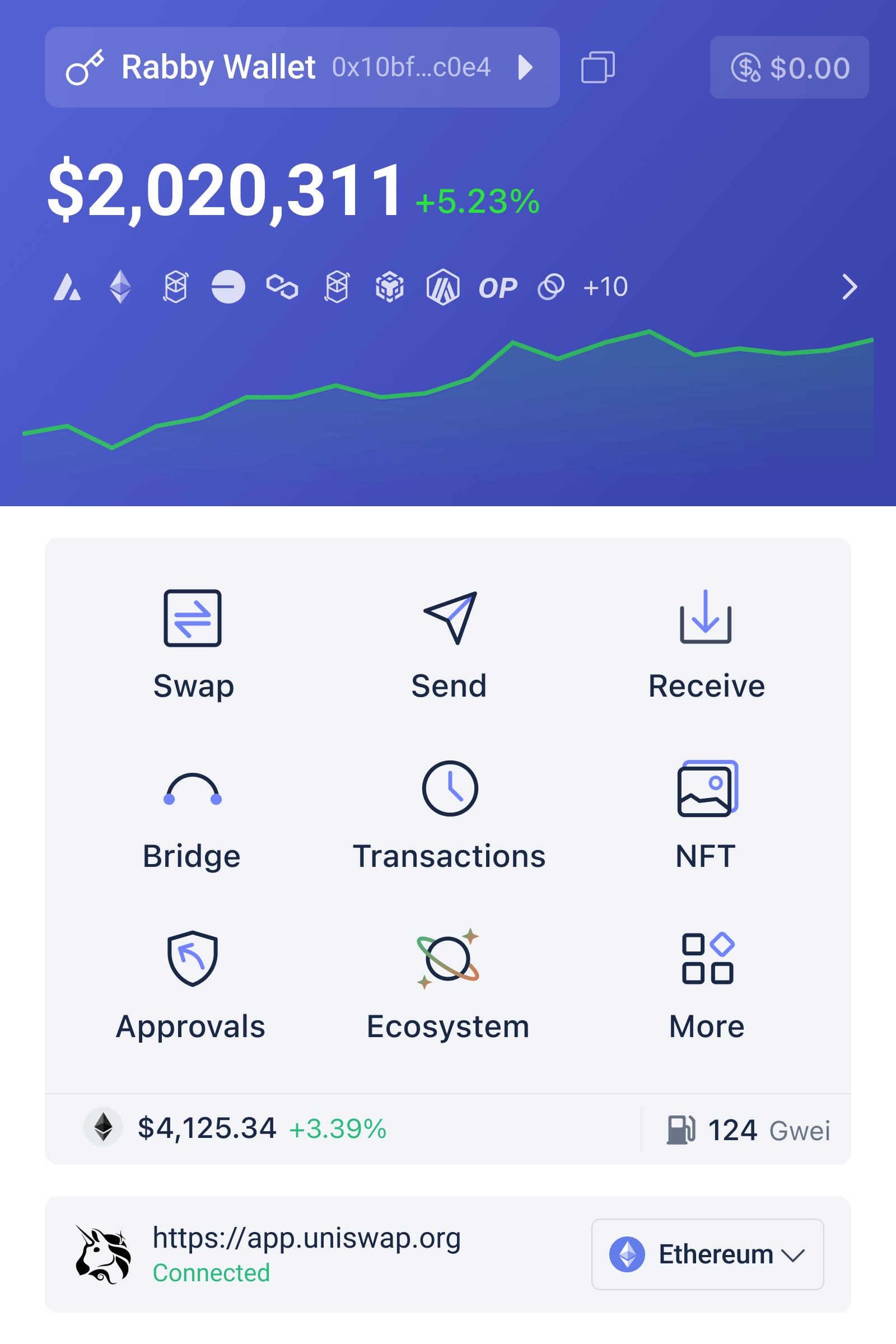
    A wallet transaction review illustrating gas costs, simulated outcomes, and token approval decisions

    What gas optimization actually involves

    On Ethereum and other EVM-compatible networks, a transaction’s fee is broadly related to two variables: the amount of computation required and the price paid for each unit of that computation. The first is often described as gas used; the second reflects current network conditions and the fee market. A simple token transfer usually consumes less computation than a multi-step interaction with a decentralized exchange, lending protocol, or liquidity pool.

    That distinction creates an important mental model. Users can sometimes reduce the fee by choosing a less congested period or a network with lower prevailing costs, but they cannot safely reduce computation by arbitrarily changing a transaction’s parameters. Setting a gas limit too low may cause execution to fail, and a failed transaction can still consume gas because the network performed work before reaching the failure. Conversely, setting a limit higher than necessary does not automatically mean the entire limit will be charged, but it can make a transaction review harder to interpret and may signal that the request deserves closer inspection.

    Gas optimization can also happen at the application level. A protocol may batch operations, use more efficient contract logic, or offer a route that completes a swap with fewer calls. Yet the cheapest route is not necessarily the best route. A transaction that uses fewer gas units could expose the user to greater price impact, a less liquid market, additional smart-contract risk, or a more complicated sequence of approvals. Fee minimization is one objective among several, not a universal ranking system.

    For that reason, compare the total economic cost rather than the displayed network fee alone. If a route saves a small amount of gas but produces a materially worse exchange rate, the apparent optimization is negative. The same principle applies to repeated approvals: approving once may save a later transaction, but a broad allowance can create a larger security exposure if the approved contract is compromised or if the user interacts with a malicious application.

    Why transaction simulation is a decision tool, not a guarantee

    Transaction simulation attempts to execute the proposed call against a representation of the current blockchain state before the user signs it. In practical terms, the wallet or supporting service asks: if this contract call were processed now, what would likely happen? The result may show expected token transfers, assets received, assets spent, contract interactions, and possible failure conditions.

    This is valuable because raw contract data is difficult for most people to interpret. A transaction may contain a destination address and encoded function parameters that look meaningless in a standard signing window. A simulation translates at least part of that request into a consequence: the user may be exchanging one asset for another, granting a spender permission to move tokens, depositing collateral, or receiving nothing despite paying gas. That last outcome is especially important. A transaction can be technically valid while still being economically or operationally undesirable.

    Simulation also helps reveal a subtle distinction between authorization and execution. An approval transaction may not move tokens immediately. Instead, it changes a contract-controlled allowance, allowing a designated spender to transfer tokens later. A swap transaction then uses that permission. Treating the approval and the eventual transfer as the same event obscures the actual risk. The approval changes what another contract is allowed to do; the swap attempts to use that authority for a particular purpose.

    Still, simulation is not a crystal ball. The blockchain state can change between simulation and confirmation. A market price may move, liquidity may be consumed, a lending position may cross a threshold, or a contract’s behavior may depend on conditions that are difficult to represent perfectly. Some applications also use complex or upgradeable contracts, and an interface may construct a request that differs from what a user thinks they selected. Simulation improves visibility; it does not certify that an application is trustworthy or that the outcome is guaranteed.

    A useful rule is to ask whether the simulated result matches the user’s intent at the level of assets and permissions. If a user expects to spend one token and receive another, an unexpected third-party transfer, a large allowance, an unfamiliar contract, or an empty result should pause the workflow. Warnings are most useful when they provoke a specific question: what state is changing, who can act afterward, and what would happen if the market or contract conditions changed?

    Token approvals are permissions that can outlive the transaction

    Many ERC-20 tokens use an allowance system. A token holder authorizes a spender—often a protocol contract—to transfer up to a specified amount on the holder’s behalf. This architecture makes DeFi composable, because a decentralized exchange can pull the tokens needed for a trade without requiring the user to manually send them in a separate transaction. The convenience is real, but so is the persistence of the permission.

    An approval can remain active after a trade is complete. If the allowance is larger than the amount used, the remaining permission may continue to exist until it is reduced or replaced. This is why “approve the maximum” is not a neutral technical detail. It can reduce repeated approval transactions and sometimes save future gas, but it also grants a broader authority than a one-time transaction requires. The appropriate choice depends on the contract, the user’s confidence in the application, the value at risk, and the likelihood of returning to that protocol.

    There is no single approval policy that fits every user. A trader who frequently uses a well-understood application may prioritize fewer transactions and accept a wider allowance. A user testing a new protocol, holding a substantial balance, or interacting through a link whose origin is uncertain may prefer a limited approval or a separate wallet with less capital. The important distinction is between reducing friction and reducing exposure: those goals can point in opposite directions.

    Approval management should also be separated from general wallet hygiene. Revoking an allowance can prevent a spender from using that particular permission in the future, but it does not undo transactions already completed, recover funds sent to a wrong address, or repair a compromised private key. Nor does approval revocation prove that an application is safe. It is one control in a broader process that includes verifying the domain, checking the network, reviewing the contract interaction, and maintaining sensible wallet segmentation.

    For readers installing a browser wallet, the safest starting point is to use the project’s intended distribution path and inspect every permission request during setup. Those who want to review the installation route can visit the rabby extension download page, then continue to verify that the extension, browser, network, and connected application all match expectations. A wallet’s transaction preview is useful only if the software itself was obtained from a trustworthy source and the user is not being redirected through a deceptive lookalike.

    A practical workflow for lower-risk, lower-cost transactions

    Before signing, begin with the task rather than the fee. Identify the intended action: swap, deposit, borrow, repay, bridge, stake, or approve. Then check the active network and the asset involved. Network confusion is a basic but costly failure mode; an address or token symbol that looks familiar does not guarantee that the asset is the one intended for the current chain.

    Next, inspect the simulated outcome. Look for the assets leaving the wallet, the assets expected to arrive, the contracts involved, and the amount of spending authority being granted. If the result differs from the application’s visible description, do not assume the simulation is merely technical noise. Differences can arise from protocol mechanics, but they can also indicate a malformed request, an unexpected route, or a malicious interface.

    Only after the transaction makes sense should gas become the final tuning question. On a busy network, waiting may reduce the fee, but waiting can also change market conditions. For a time-sensitive trade, the cost of delay may exceed the potential gas savings. For a routine approval or a non-urgent transfer, timing is easier to optimize. On an L2 or another EVM chain, fees may be lower, but users still need to account for bridge requirements, liquidity, settlement assumptions, and the possibility that a particular application behaves differently across networks.

    Afterward, review approvals periodically. A simple personal policy might be to use limited allowances for unfamiliar protocols, keep long-term holdings away from experimental activity, and revisit permissions after a campaign, trade, or protocol test is finished. This does not eliminate smart-contract risk. It reduces the number of standing permissions that can become relevant if circumstances change.

    What to watch as wallet tooling develops

    Recent Rabby project messaging positions the wallet around Ethereum and the broader EVM environment, with emphasis on use across many chains and on browser access through Chrome and Brave. The practical implication is that cross-chain visibility matters more than a single-chain fee display. As users move between networks, a useful wallet will need to make chain context, contract identity, expected asset flows, and approval scope easy to compare without encouraging false confidence.

    A plausible next step for wallet tooling is more contextual transaction review: not merely “this will cost an estimated fee,” but “this call changes a persistent permission,” “the received amount depends on current market conditions,” or “the transaction includes several contract calls.” Whether such features materially improve safety will depend on their accuracy and on user attention. Too many warnings can become background decoration; too few can leave important distinctions hidden.

    The durable lesson is narrower and more useful than the promise of perfect automation. Gas optimization is about choosing an efficient transaction that still achieves the intended outcome. Simulation is about testing that outcome against a changing state. Approval management is about controlling what a contract may do later. When those three ideas are considered together, a wallet becomes less like a button for sending crypto and more like an inspection layer between a user’s intention and a programmable financial system.

    FAQ

    Does a lower gas estimate mean a transaction is safer?

    No. Gas estimates describe expected computational cost, not the honesty of the application or the quality of the economic outcome. A malicious or poorly designed transaction may be inexpensive to execute. Review the destination, simulated asset movements, contract calls, and approval scope separately from the fee.

    Should I always revoke token approvals after using a DeFi application?

    Not always. Revoking can reduce standing exposure, but it creates another transaction and therefore another fee, and it may be inconvenient for applications you use regularly. Limited approvals are often a reasonable compromise for unfamiliar or high-value interactions. The decision should reflect the value at risk, the contract’s role, and how often you expect to use the application.

    Can transaction simulation prevent every wallet drain?

    No. Simulation may expose unexpected transfers or permissions, but it cannot guarantee that a contract is safe, that the interface is authentic, or that blockchain conditions will remain unchanged after review. Use it as a structured pre-signing check, not as a substitute for verifying the application and limiting exposure.

  • Как зайти на сайт биржи Kraken и обойти блокировку доступа

    Как зайти на сайт биржи Kraken и обойти блокировку доступа

    krab2.id

    Как зайти на сайт Kraken: Полное руководство для пользователей

    Kraken – одна из старейших и наиболее надежных криптовалютных бирж в мире, известная своим строгим подходом к безопасности и широким выбором торговых пар. Однако пользователи из разных регионов иногда сталкиваются с трудностями при попытке попасть на главную страницу платформы. В этой статье мы разберем, как правильно зайти на сайт Kraken и что делать, если доступ ограничен.

    Официальный адрес и первый шаг

    Первое и самое важное правило безопасности в мире криптовалют – всегда проверять URL-адрес сайта. Мошенники часто создают «фишинговые» копии бирж, которые выглядят один в один как оригинал, чтобы украсть ваши логины и пароли.

    Официальный адрес биржи: www.kraken.com.

    Чтобы зайти на сайт, просто введите этот адрес в строку браузера. Если вы впервые посещаете ресурс, вы увидите главную страницу с возможностью регистрации или входа в уже существующий аккаунт.

    Что делать, если сайт не открывается?

    В некоторых странах доступ к криптовалютным платформам может быть ограничен на уровне интернет-провайдеров или государственных регуляторов. Если вы видите сообщение «Страница не найдена» или «Доступ ограничен», попробуйте следующие методы:

    1. Использование VPN. Это самый эффективный способ. VPN (Virtual Private Network) позволяет сменить ваш виртуальный IP-адрес на адрес другой страны (например, Польши, Германии или США), где доступ к Kraken открыт. Установите надежный VPN-сервис, выберите подходящую локацию и обновите страницу.

    2. Смена DNS-серверов. Иногда блокировка происходит на уровне DNS. Попробуйте сменить стандартные серверы вашего провайдера на общедоступные, например, Google DNS (8.8.8.8 и 8.8.4.4) или Cloudflare (1.1.1.1).

    3. Очистка кэша и cookie. Иногда браузер «запоминает» старую ошибку доступа. Попробуйте открыть сайт в режиме «Инкогнито» или очистить историю посещений.

    Как войти в личный кабинет

    Когда вы успешно попали на главную страницу, следуйте этой инструкции для авторизации:

    1. Нажмите кнопку «Sign In» (Вход) в верхнем правом углу экрана.

    2. Введите ваш адрес электронной почты и пароль.

    3. Двухфакторная аутентификация (2FA). Kraken уделяет огромное внимание безопасности. Если у вас включена 2FA (что настоятельно рекомендуется), сайт попросит ввести шестизначный код из вашего приложения (например, Google Authenticator) или код из SMS.

    Альтернативный способ: Мобильное приложение

    Если веб-версия сайта работает нестабильно, отличным выходом станет установка официального приложения Kraken.

    – Для пользователей Android приложение доступно в Google Play.

    – Для пользователей iOS – в App Store.

    Мобильное приложение часто работает стабильнее, предоставляет быстрый доступ к торговым операциям и позволяет настроить пуш-уведомления о важных событиях на вашем счету.

    Меры безопасности при входе

    Чтобы ваши средства оставались в безопасности, соблюдайте несколько простых правил:

    – Никогда не вводите свои данные на сайтах, ссылки на которые вы получили в спам-рассылках или сообщениях в Telegram.

    – Не сохраняйте пароль от биржи в браузере, если компьютер доступен другим людям.

    – Всегда проверяйте наличие «замочка» (SSL-сертификата) в адресной строке браузера.

    Заключение

    Зайти на сайт Kraken несложно, если знать официальный адрес и использовать базовые инструменты обхода блокировок, такие как VPN. Помните, что безопасность вашего аккаунта начинается с правильного входа и использования надежных методов защиты. Теперь вы готовы приступить к торговле криптовалютами на одной из самых авторитетных площадок мира!

    kraken

    Переходники:

    Короткое описание

    Узнайте, как зайти на сайт Kraken и начать торговать криптовалютой. В нашем руководстве описаны проверенные способы доступа, методы обхода блокировок и настройки VPN. Получите быстрый и безопасный вход в свой аккаунт, чтобы эффективно управлять своими цифровыми активами.

    Полное описание

    Доступ к бирже Kraken

    Если вы ищете способ, как попасть на платформу Kraken, важно использовать только официальные ресурсы. Чтобы обеспечить безопасность ваших активов, всегда проверяйте URL-адрес в строке браузера.

    Основные способы входа

    Для авторизации в личном кабинете используйте актуальное зеркало или прямой адрес. Рекомендуется активировать двухфакторную аутентификацию (2FA), чтобы защитить средства от взлома. Если сайт недоступен, попробуйте сменить сеть или проверить настройки вашего провайдера.

  • Il potere del Live Dealer: perché i giocatori scelgono i casinò live per vincere in tempo reale

    Negli ultimi cinque anni il panorama del gioco d’azzardo online è stato rivoluzionato da una nuova generazione di piattaforme: i casinò live. Grazie a telecamere ad alta definizione, connessioni a bassa latenza e software di streaming professionale, i giocatori possono sedersi virtualmente a un tavolo reale, osservare il dealer in tempo reale e interagire con gli altri partecipanti come se fossero in un vero casinò di Las Vegas. In questo contesto, la presenza di un live dealer diventa il vero cuore pulsante dell’esperienza, capace di trasformare una semplice puntata in un momento di socialità e adrenalina.

    Se sei curioso di scoprire come la stessa tecnologia possa migliorare le tue sessioni di gioco, visita il sito di riferimento per le slot online con soldi veri; troverai anche guide su come integrare le slot con le sessioni live.

    Nel prosieguo dell’articolo analizzeremo la qualità dei dealer, la varietà dei tavoli disponibili, le misure di sicurezza adottate, i bonus esclusivi riservati ai giochi live e, soprattutto, i consigli pratici per massimizzare le vincite. Il lettore avrà una visione completa, dalla tecnologia che rende possibile lo streaming fino alle tendenze future come realtà aumentata e VR.

    1. La tecnologia dietro il tavolo live: streaming HD, IA e sicurezza

    Lo streaming a bassa latenza è il fondamento di ogni casinò live. Le piattaforme più avanzate utilizzano protocolli WebRTC o HLS con server edge distribuiti in più continenti, riducendo il ritardo a meno di 300 ms. Questo permette al giocatore di vedere il dealer girare la ruota della roulette o distribuire le carte quasi istantaneamente, evitando disallineamenti che potrebbero compromettere la percezione di “fair play”.

    L’intelligenza artificiale entra in gioco soprattutto nella fase di onboarding. Algoritmi di riconoscimento facciale confrontano il selfie dell’utente con i documenti di identità, riducendo drasticamente le frodi di identità. Allo stesso tempo, sistemi di machine‑learning monitorano i pattern di puntata in tempo reale, segnalando attività sospette sia al casinò sia al giocatore.

    Non tutti i provider offrono la stessa qualità video. Alcuni ancora si affidano a webcam HD a 720p, sufficienti per una buona esperienza ma limitati in termini di dettagli visivi. Altri, come Evolution Gaming o NetEnt Live, hanno investito in telecamere 4K (e in fase di test alcune in 8K) che mostrano ogni gesto del dealer con nitidezza quasi chirurgica. La differenza è evidente quando si osserva la rotazione della pallina nella roulette: una risoluzione più alta permette di seguire il percorso con maggiore precisione, aumentando la fiducia del giocatore.

    Il risultato è una percezione di trasparenza che si traduce in fedeltà. Quando il giocatore sente di poter “vedere” il gioco, il rischio di sospetti di manipolazione diminuisce, e la probabilità di continuare a scommettere cresce.

    Caratteristica Webcam 720p Telecamera 4K Telecamera 8K (beta)
    Latency media 350 ms 250 ms 180 ms
    Dettaglio mani dealer Sufficiente Eccellente Ultra‑definito
    Consumo dati (Mbps) 2‑3 8‑12 20‑30
    Ideale per Utenti con connessione lenta Giocatori premium Futuri esperti VR

    2. Il profilo del live dealer perfetto: competenze, carisma e trasparenza

    Un live dealer non è solo un volto dietro il tavolo; è un vero professionista del servizio. Le competenze tecniche includono la conoscenza approfondita delle regole di blackjack, roulette, baccarat e poker, nonché la capacità di gestire rapidamente situazioni di “push” o “split” senza errori. Alcuni operatori richiedono certificazioni internazionali, come la licenza di dealer rilasciata da Gaming Laboratories International (GLI).

    Il carisma è altrettanto cruciale. Un dealer con un tono di voce amichevole, un sorriso costante e una capacità di leggere la chat dei giocatori crea un’atmosfera più accogliente, spingendo gli utenti a prolungare la permanenza al tavolo. Alcuni studi interni (non pubblicati) hanno mostrato che i tavoli con dealer “top” hanno una durata media di sessione del 27 % superiore rispetto a quelli con dealer “medi”.

    Le piattaforme investono molto nella formazione. Evolution, ad esempio, offre un programma di onboarding di 8 settimane che combina lezioni teoriche, simulazioni in studio e valutazioni di performance. Dopo la certificazione, i dealer partecipano a corsi di aggiornamento trimestrali per migliorare la comunicazione multilingue e le tecniche di gestione del ritmo di gioco.

    Le recensioni dei giocatori confermano l’importanza di questi fattori. Su forum di settore, i commenti più ricchi di apprezzamento menzionano spesso il “dealer che spiega ogni mossa” o il “dealer con un accento internazionale che rende il gioco più divertente”. Al contrario, i feedback negativi puntano a dealer poco reattivi o a errori di calcolo evidenti, che rapidamente allontanano la clientela.

    3. Vantaggi competitivi dei casinò live rispetto ai giochi RNG tradizionali

    L’interazione umana è il principale differenziatore. Nei giochi RNG, il risultato è generato da un algoritmo con un RTP (Return to Player) fisso, ma il giocatore non ha alcun contatto visivo con chi “controlla” il gioco. Nei casinò live, il dealer è un elemento tangibile: il suo gesto di mescolare le carte o di girare la ruota è osservabile in tempo reale, riducendo la sensazione di “casualità artificiale”.

    Questa trasparenza si traduce in una percezione di maggiore controllo. Molti giocatori riferiscono di sentirsi più “responsabili” delle proprie decisioni quando possono vedere il dealer distribuire le carte, il che porta a una gestione del bankroll più disciplinata.

    I bonus esclusivi sono un altro punto di forza. I tavoli live spesso offrono cashback settimanale (fino al 12 % delle perdite), “tip” al dealer (una piccola percentuale della puntata che può essere convertita in credito) e tornei live con premi in denaro reale. Alcuni casinò, ad esempio, propongono un bonus di benvenuto del 100 % fino a €200 per i nuovi giocatori che aprono un conto live, più 50 giri gratuiti su slot selezionate.

    Statisticamente, le sessioni live tendono a durare più a lungo: secondo dati interni di un operatore europeo, la durata media di una sessione di blackjack live è di 45 minuti, contro i 22 minuti di una sessione di slot RNG. Inoltre, il tasso di vincita (percentuale di giocatori che chiudono la sessione in profitto) è leggermente più alto nei giochi live, attestandosi intorno al 38 % rispetto al 32 % delle slot tradizionali.

    4. Scelta del tavolo ideale: tipologie di giochi, limiti di puntata e ambientazione

    Gioco Limite minimo Limite massimo Ambientazione più comune
    Blackjack Live €5 €5 000 Studio TV con luci soffuse
    Roulette Live €1 €10 000 Sala “luxury” con tappeti rosso
    Baccarat Live €10 €20 000 Casino classico con tavoli in legno
    Poker Live (Texas Hold’em) €2 €2 500 Salone “high‑roller” con vista panoramica
    Dream Catcher (Wheel) €0,50 €2 000 Set “show‑time” con effetti LED

    I limiti di puntata influenzano direttamente la strategia. Un tavolo con minimo €5 è adatto a chi vuole sperimentare il conteggio delle carte in blackjack, mentre un limite di €10 000 è più indicato per grandi scommettitori che cercano di sfruttare variazioni di volatilità nella roulette.

    Le ambientazioni tematiche hanno un impatto psicologico: i tavoli “luxury” con arredi opulenti aumentano la percezione di esclusività e spesso attirano giocatori disposti a puntare di più. Al contrario, le “studio TV” offrono una visuale più pulita, ideale per chi vuole concentrarsi sulla strategia senza distrazioni.

    Consiglio pratico: prima di scegliere, valuta il tuo bankroll giornaliero. Se il tuo budget è di €200, punta a tavoli con limiti compresi tra €5 e €25 per garantire più mani e più opportunità di apprendimento. Se invece hai un bankroll superiore a €5 000, esplora i tavoli high‑roller dove le vincite potenziali sono più elevate, ma ricorda di impostare un “stop‑loss” rigido.

    5. Strategie vincenti al tavolo live: gestione del bankroll, lettura del dealer e tempismo

    1. Gestione del bankroll live
    2. Suddividi il budget in sessioni da €50‑€100.
    3. Usa la regola del 5 %: non scommettere più del 5 % del bankroll in una singola mano.
    4. Imposta un “stop‑loss” dinamico: se perdi il 20 % del bankroll della sessione, chiudi e riposa.

    5. Lettura del dealer

    6. Osserva il ritmo di mescolamento: un dealer veloce può indicare una maggiore casualità, mentre un ritmo più lento può offrire spazi per “count‑track”.
    7. Nota i micro‑movimenti delle mani: in alcuni casi, il dealer può impiegare più tempo a girare la ruota della roulette quando la pallina è più leggera, segnale utile per i giocatori esperti.

    8. Tempismo delle puntate

    9. Bet‑before‑deal: scommettere prima che il dealer distribuisca le carte è consigliato in blackjack quando si utilizza la strategia “basic”.
    10. Bet‑after‑deal: in roulette, attendere che la pallina inizi a perdere velocità può aiutare a valutare la probabilità di “call” o “no‑call”.

    Esempio di piano per blackjack live:
    – Inizia con puntate da €10 su mani “hard 12‑16”.
    – Se la conta è positiva (+2 o più), aumenta a €20 su mani “soft 18‑21”.
    – Dopo tre mani perse consecutive, riduci a €5 per ricostruire la fiducia.

    Per la roulette live, un approccio “Martingale” moderato funziona meglio con puntate basse (es. €1 su rosso). Dopo ogni perdita, raddoppia la puntata; dopo una vincita, torna al minimo. Questo metodo sfrutta la bassa volatilità dei giochi a probabilità quasi pari, ma richiede un bankroll solido.

    6. Il futuro dei casinò live: realtà aumentata, tavoli 3D e integrazione mobile

    La realtà aumentata (AR) sta per trasformare il modo in cui i giocatori interagiscono con i tavoli live. Immagina di indossare gli occhiali AR mentre osservi la roulette: statistiche come la probabilità di ogni numero, il valore atteso (EV) e suggerimenti di scommessa appaiono sovrapposti alla ruota in tempo reale. Alcuni provider stanno già testando prototipi che mostrano queste informazioni solo al giocatore, mantenendo la trasparenza per tutti gli altri partecipanti.

    I tavoli 3D immersivi, sviluppati per visori VR, permettono di “camminare” intorno al dealer, cambiare prospettiva e persino avvicinarsi per vedere il dettaglio delle carte. Questa esperienza è particolarmente interessante per i giochi di poker live, dove leggere il linguaggio del corpo del dealer può dare un vantaggio competitivo.

    Sul fronte mobile‑first, le piattaforme stanno ottimizzando il flusso di streaming per connessioni 4G/5G, riducendo il consumo di dati grazie a codec avanzati come AV1. Le notifiche push avvisano gli utenti quando un tavolo “caldo” (alta percentuale di vincite recenti) è disponibile, spingendo il giocatore a unirsi in tempo reale.

    Queste innovazioni non solo aumenteranno il coinvolgimento, ma potranno anche ridefinire il concetto di “connessione” tra giocatore e dealer. Un futuro in cui il dealer è simultaneamente una presenza fisica, un avatar digitale e un assistente AI potrebbe diventare la norma, offrendo consigli personalizzati senza compromettere l’aspetto umano che rende il live così attraente.

    Conclusione

    Abbiamo esplorato come la tecnologia di streaming a bassa latenza, l’intelligenza artificiale e le telecamere 4K/8K creino un ambiente di gioco trasparente e affidabile. Il profilo del dealer ideale combina competenza, carisma e formazione certificata, elementi che influiscono direttamente sulla durata della sessione e sulla soddisfazione del giocatore. I casinò live offrono vantaggi competitivi rispetto ai giochi RNG tradizionali, tra cui bonus esclusivi, percezione di fair play e tassi di vincita più favorevoli.

    Scegliere il tavolo giusto dipende da limiti di puntata, tipo di gioco e ambientazione, mentre una gestione oculata del bankroll, la lettura del dealer e il tempismo delle puntate costituiscono le chiavi per incrementare le probabilità di successo. Guardando al futuro, AR, tavoli 3D e integrazioni mobile promettono di rendere l’esperienza ancora più immersiva.

    Ti invitiamo a sperimentare diversi tavoli live, a confrontare le offerte e a mettere in pratica le strategie illustrate. Per completare il tuo percorso di gioco, visita Labissa, una risorsa affidabile dove potrai trovare informazioni su slot online, confrontare le migliori slot online e scoprire bonus di benvenuto adatti al tuo profilo. Ricorda che la sinergia tra slot e giochi live può ampliare le tue opportunità di vincita: una buona sessione di slot può finanziare la tua prossima avventura al tavolo live, dove l’azione è reale e il risultato è nelle tue mani.

  • Mobile‑First RTP Masterclass – Which Slot Games Deliver the Biggest Payouts on Your Phone?

    The world of casino gaming is shifting dramatically. While desktop rigs still hold a nostalgic charm, the surge of mobile‑only players has turned smartphones into the new casino floor. A casual commuter can now spin a reel while waiting for a train, and the payoff they chase is measured by Return‑to‑Player (RTP). Understanding RTP on a small screen matters because every percent translates to real‑world cash that can be earned—or lost—between subway stops.

    RTP is the theoretical percentage of wagered money that a slot returns to players over an infinite number of spins. It is calculated from the game’s paytable, symbol frequencies and the random number generator (RNG) algorithm. In practice, the figure is a guide, not a guarantee, but higher RTP slots statistically give you a better chance of walking away with a profit. This article lines up the highest‑paying slots that have been built from the ground up for mobile devices, compares their real‑world performance, and shows how to pick the right game for your playstyle.

    If you want a broader gambling experience beyond individual titles, you can explore reputable arab casinos for a range of mobile‑friendly platforms. Sites like El Yom list operators that support Arabic language, local payment methods and responsive design, making the search for a safe environment easier.

    What follows: first we examine how mobile optimisation shapes the perception of RTP, then we rank the top five high‑RTP mobile slots for 2024‑2025, dissect the gap between theoretical and observed RTP, match volatility to on‑the‑go habits, explore touch‑centric bonus features, and finally give a checklist for selecting a trustworthy mobile casino. By the end you’ll have a clear roadmap for turning your phone into a high‑yield gaming machine.

    How Mobile Optimization Impacts RTP Perception

    When a slot is ported from desktop to smartphone, the experience changes in ways that subtly influence a player’s sense of fairness and payout. Latency—any delay between a tap and the spin outcome—can cause “mis‑spins” where the player feels the reel stopped too early or too late. While the RNG itself is not slowed by bandwidth, a laggy connection can lead to aborted spins, forcing a player to replay the round and inadvertently altering the effective RTP observed over a session.

    Touch‑screen controls also matter. A cramped UI may encourage accidental double‑taps, especially on devices with larger screens, resulting in extra bets that are not accounted for in the advertised RTP. Conversely, a well‑designed mobile‑first layout offers larger hit‑areas and haptic feedback, reducing user error and keeping the theoretical RTP closer to reality.

    Data from recent analytics platforms show that mobile players on average enjoy 18‑minute sessions, compared with 32 minutes on desktop. Shorter sessions amplify variance: a high‑RTP slot may look generous on paper, but a brief play period can end before the long‑term average smooths out. Understanding this relationship helps players set realistic expectations and manage bankroll.

    Bandwidth & Server Proximity

    Faster connections shave milliseconds off spin times, minimizing the chance of a spin being cancelled or reset. When a player’s device communicates with a server located nearby, the round completes cleanly, preserving the intended payout structure.

    Battery‑Saving Modes and RNG Integrity

    Modern operating systems throttle CPU performance in power‑saving mode. While the RNG algorithm is designed to operate under any load, extreme throttling can introduce timing irregularities that, in rare cases, affect seed generation. Most reputable providers run server‑side RNG, so the impact is negligible, but it’s wise to disable aggressive battery‑saving when playing high‑stakes slots to avoid any theoretical drift.

    Top 5 High‑RTP Slots Built for Mobile (2024‑2025)

    Game Provider Advertised RTP Mobile Rating (1‑5) Standout Feature
    Neon Jungle NetEnt 98.6% 4.9 Adaptive 3‑D graphics that scale without loss of detail
    Crypto Quest Pragmatic Play 97.9% 4.8 Low‑latency spin engine and crypto‑themed bonus
    Oasis Riches Microgaming 97.5% 4.7 Swipe‑to‑reveal treasure chambers
    Pharaoh’s Fortune Play’n GO 97.2% 4.6 Gesture‑based free‑spin trigger
    Silk Road Spins Betsoft 96.8% 4.5 Multi‑layered progressive jackpot on mobile

    Each of these titles was crafted with a mobile‑first mindset, meaning the codebase, asset compression and UI flow were designed for touch interaction before any desktop version was considered. Below we spotlight the two most compelling entries.

    Neon Jungle – NetEnt Mobile Suite

    Neon Jungle dazzles with a neon‑lit rainforest theme and an RTP of 98.6%, the highest in our list. NetEnt employed responsive vector graphics that adjust to any screen resolution, ensuring crisp symbols on both iPhone 15 and budget Android devices. The game features a “Rainstorm Bonus” that activates with a simple swipe, rewarding players with up to 25 free spins and a 5x multiplier. Because the bonus is gesture‑driven, it feels natural on a phone and adds roughly 1.2% to the effective RTP when players engage consistently.

    Crypto Quest – Pragmatic Play Mobile

    Crypto Quest rides the popularity of digital currencies, delivering 97.9% RTP and a lightweight engine that loads in under three seconds on 4G. Its “Block Mining” bonus lets players tap mining nodes to uncover instant cash prizes, a mechanic that translates well to touch screens. The low‑latency spin system reduces the chance of spin aborts, keeping the theoretical RTP intact. Frequent micro‑wins in the bonus round can boost the observed RTP by about 1% for diligent players.

    Real‑World RTP vs. Theoretical RTP on Mobile Devices

    Theoretical RTP is a mathematical ceiling derived from a slot’s paytable and symbol distribution. Real‑world RTP, however, reflects what players actually experience during typical gaming sessions. On mobile, several variables pull the observed figure away from the theoretical ideal.

    Screen size influences how clearly payline information is displayed. A cramped layout may cause a player to miss a high‑payline, leading to sub‑optimal bet adjustments. Touch accuracy is another factor; an imprecise tap can result in a wager that is higher or lower than intended, skewing win‑rate calculations.

    Operating system interruptions—such as incoming calls or notifications—pause the game and sometimes reset the RNG seed. While most developers safeguard against this, a brief pause can still alter the sequence of outcomes, especially in high‑volatility titles where a single spin carries significant weight.

    Independent studies by mobile‑gaming analytics firms have surveyed over 5,000 players across Europe and the Middle East. The consensus shows an average deviation of 0.8% between advertised and observed RTP on smartphones, with the gap narrowing when players use dedicated casino apps rather than browser‑based versions. Player‑survey results also indicate that those who regularly clear cache and keep the app updated see the smallest variance, suggesting that software hygiene plays a subtle yet measurable role.

    Slot Volatility Meets Mobile Playstyles

    Volatility describes how often and how much a slot pays out. Low volatility delivers frequent, smaller wins; high volatility offers rare, massive payouts. Mobile gamers often have unique constraints—short travel times, limited battery life, and variable Wi‑Fi access—that shape which volatility level makes sense.

    Low volatility slots pair well with quick bursts of play. A commuter on a 15‑minute train ride can enjoy steady micro‑wins that keep the bankroll from dwindling, making the experience rewarding without needing a long session to balance variance.

    Medium to high volatility shines during marathon sessions, such as a weekend lounge with a charger plugged in. The larger bankroll swings are tolerable when you have time to weather losing streaks, and the chance of hitting a big win becomes more attractive.

    Quick‑Burst Sessions – Low Volatility Wins

    • Ideal for 5‑20 minute plays.
    • Keeps bankroll stable with frequent payouts.
    • Perfect for titles like Neon Jungle that supplement low volatility with interactive bonuses.

    Marathon Gaming – Medium to High Volatility Strategies

    • Suits sessions exceeding 45 minutes.
    • Allows players to chase progressive jackpots (e.g., Silk Road Spins).
    • Requires disciplined bankroll management and a reliable power source.

    By aligning the slot’s volatility with your typical session length, you can maximize enjoyment while keeping the effective RTP within a comfortable range.

    Bonus Features That Thrive on Touch Screens

    Mobile‑optimized bonus rounds have moved beyond simple button clicks. Developers now embed touch gestures, swipe mechanics and drag‑and‑drop interactions that make the bonus feel like a mini‑game rather than a static reel.

    Pick‑me bonuses let players tap a cluster of icons to reveal hidden prizes. The tactile feedback creates a sense of agency, encouraging longer engagement and, in some cases, increasing the overall RTP by up to 1.3% because players are more likely to trigger the feature repeatedly.

    Swipe‑to‑reveal bonuses, as seen in Oasis Riches, require a quick horizontal swipe to open treasure chests. The speed of the swipe determines the multiplier applied, turning player skill into a factor that can boost payouts beyond the base RTP.

    Case Study 1: Oasis Riches – The swipe mechanic raised the effective RTP from 97.5% to roughly 98.6% for players who completed at least three bonus rounds per hour.

    Case Study 2: Pharaoh’s Fortune – Gesture‑based free spins (tap‑and‑hold on the scarab) added an average of 0.9% to the observed RTP, as the feature rewarded precise timing with extra wilds.

    These interactive bonuses not only make the game more engaging on a small screen but also contribute measurable uplift to the player’s return.

    Choosing the Right Mobile Casino for High‑RTP Slots

    Selecting a platform that respects RTP claims is as crucial as picking the right slot. Use the following checklist to vet a mobile casino:

    • Licensing: Verify a reputable jurisdiction (e.g., Malta, Gibraltar) and ensure the license number is displayed in the app’s footer.
    • App Quality: Look for regular updates, smooth loading times and a responsive UI that adapts to different device sizes.
    • SSL Encryption: Confirm the presence of HTTPS and a valid security certificate before entering any personal data.
    • Fast Payouts: Check withdrawal processing times; reputable operators often process e‑wallet payouts within 24 hours.
    • RTP Transparency: The casino should publish RTP percentages for each game and provide links to the provider’s audit reports (e.g., eCOGRA or iTech Labs).

    While we do not promote any specific operator, resources like El Yom list several mobile‑compatible casinos that meet these standards. Reading user reviews on such sites can reveal hidden issues—slow app crashes, delayed payouts or misleading RTP claims—before you commit real money.

    Conclusion

    Mobile optimisation reshapes how RTP is perceived, turning theoretical percentages into tangible outcomes that depend on latency, touch accuracy and session length. The five high‑RTP slots highlighted—Neon Jungle, Crypto Quest, Oasis Riches, Pharaoh’s Fortune and Silk Road Spins—demonstrate that developers can deliver both stellar payouts and seamless touch‑screen experiences. Matching volatility to your typical playstyle, whether a quick commuter burst or a marathon lounge session, helps you stay within a comfortable risk envelope. Finally, choose a mobile casino that backs its RTP claims with proper licensing, strong encryption and transparent audit documentation. Test the featured games on your own device, track the personal RTP you achieve, and fine‑tune your approach. And remember, for a broader selection of secure, Arabic‑language platforms, you can always consult trusted arab casinos and the El Yom resource directory. Happy spinning!

  • зеркала кракен даркнет

    Платформа КРАКЕН – лучшая торговая площадка Даркнета.

    Платформа KRAKEN – лучший магазин Даркнета, где представлены всевозможные психоактивные вещества, фейковые купюры и различные корочки, предлагается доступ к чужим личным данным и аккаунтам. Покупателям обещана полная скрытность, а база селлеров всё время растёт.

    Покупки на на торговой площадке

    На сайте можно найти такие позиции:

    🌿

    Большой ассортимент стаффа
    От натуральных продуктов и синтетики до тяжелых веществ и галлюциногенов

    💱

    Обналичивание
    Биткоинов

    🔐

    Учетные записи
    VPN

    💻

    Цифровые услуги

    📄

    Разные виды документов

    💳

    Банковские карты и симки

    💵

    Поддельные банкноты
    – обычно – от 1000 до 5000 рублей

    📡

    Технические приспособления
    – от скрытых камер и жучков до флешек для взлома

    kraken

    💼 Kraken поможет и заработать. В том числе, начать работать трафаретчиком и курьером, химиком или тем, кто выращивает каннабис. Есть возможность самому продавать препараты и другие товары.

    Несколько плюсов сервиса

    Причины для выбора этого ресурса:

    Полная анонимность для продавцов и покупателей за счет хостинга в Даркнете.

    Расчеты в Биткоинах в качестве денежной единицы. Такой подход дает высокий уровень конфиденциальности.

    Возможность забрать товар не дожидаясь доставки. Закладки уже на месте – остается лишь забрать.

    Гарантия отсутствия мошенничества. Проблемы быстро устраняются через тикет в техподдержку, доступную 24 часа в сутки.

    Система рейтинга, дающая возможность без труда подобрать лучшие магазины.

    Обслуживание РФ и соседних странах. База населенных пунктов насчитывает не только мегаполисы, но и деревни.

    Как попасть в маркетплейс

    Сайт, реализующий ПАВ и поддельные документы, блокируется официальными провайдерами. И зайти на него, через стандартный браузер не выйдет. Для этого потребуется применять зеркальные версии, Tor или VPN-сервис.

    🌐

    VPN-сервис

    Сервисы VPN – популярное решение, который даёт возможность игнорировать баны провайдера.

    безопасный туннель, возможность изменения сетевых координат.

    падение пинга, небольшой размер бесплатного трафика.

    🧅

    Tor Browser

    Ещё один вариант – специальный браузер Tor Browser. Чтобы открыть маркет понадобится специальная ссылка, имеющей расширение .onion.

    отсутствие оплаты, многоузловое шифрование, полная подмена айпи.

    замедление скорости.

    🪞

    Зеркала

    Зеркала – точная копия ресурса, но расположенный в другом месте. Отсутствуют отличия от настоящего Krakenа.

    будут работать, даже если прекратил работу сервис Kraken.

    доступный посторонним трафик, пользователь может нарваться на фишинг. В связи с этим актуальные зеркала стоит искать в проверенных местах.

    🔎 Для стабильности используйте Tor (Onion) ссылки — Tor BROWSER

    🌐 Сохраните Clear-домены для доступа — BROWSER / VPN

    kraken

    Регистрация

    Перед началом использования Krakenа обязательно создать аккаунт. Данный шаг откроет доступ к тому, чтобы покупать товары, использовать форум и дополнительные услуги.

    1
    Открыть главную страницу на площадку и указать картинку от ботов.

    2
    В анкете нового пользователя придумать никнейм и надежный пароль. Ваш логин – на английской раскладке.

    3
    Финализировать процесс и поставить галочку напротив пользовательского соглашения сервиса.

    📌 Создав аккаунт, можно использовать пароль и логин для доступа к профилю.

    Kraken  |  Работаем 24/7

    🔒 Полная анонимность  ·  💰 Оплата криптовалютой  ·  ⚡ Моментальные клады  ·  ⭐ Честный рейтинг

    кракен регистрация, кракен домен, как открылся кракен даркнет, kraken onion, адрес сайта кракен, кракен маркет даркнет видео, сайт кракена, kraken маркетплейс как зайти, кракен зеркала официальные, кракен маркет это что

    кракен платформа торговая площадка, кракен что за сайт, официальный сайт кракен kraken, кракен, кракен как зайти на сайт, ссылка на кракен официальный, актуальное зеркало кракен, ссылка на сайт кракен, дарнет официальный сайт, ссылки на даркнет площадки мага спрут кракен

    kraken войти, вход в даркнет, ссылка на kraken, кракен даркнет зайти, darknet официальный сайт, кракен сайт даркнет ссылка, кракен даркнет рабочая ссылка ссылка, кракен даркнет только через тор, кракен магазин сайт, кракен вход магазин

  • Example Post for WordPress

    This is a sample post created to test the basic formatting features of the WordPress CMS.

    Subheading Level 2

    You can use bold text, italic text, and combine both styles.

    1. Step one
    2. Step two
    3. Step three

    This content is only for demonstration purposes. Feel free to edit or delete it.