The Best Box Carrying Handle for Heavy Lifting Made Easy
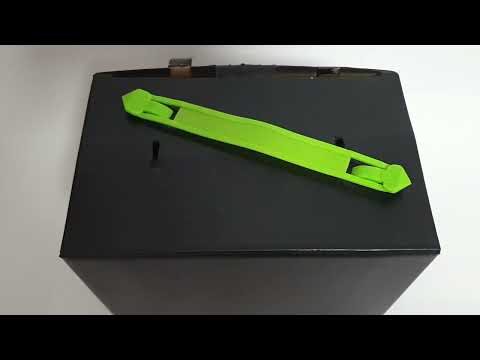
A delivery driver, struggling to balance a heavy stack of cartons between their forearms, finally remembers the box carrying handle attached to the sides. This simple strap or cut-out clips onto cardboard flaps, instantly converting a bulky load into a manageable carry. By redistributing weight into a single handgrip, it reduces strain on your back and fingers. To use it, just slide the handle under the box’s top flaps and lift with a straight wrist.
Why That Top Grip Matters: Engineering the Perfect Carry
The top grip on a box carrying handle isn’t just for show—it’s the difference between a smooth lift and a strained wrist. Engineering the perfect carry means the handle’s curve matches your palm’s natural closure, spreading weight evenly to avoid pressure points. The angle and depth of that top grip keep the load centered, preventing the box from tilting and spilling its contents. Why does the top grip need a slight upward curve? Q: Why does the top grip need a slight upward curve? A: It aligns your hand’s resting angle, reducing fatigue and letting you carry heavier loads with better control. That subtle design choice transforms a simple box into something you can haul all day without thinking twice.
Material Choices for Durable Transport Solutions
For durable transport solutions, the handle’s material directly dictates load-bearing capacity and longevity. High-density polyethylene (HDPE) offers superior impact resistance and weather resilience, ideal for reusable shipping totes. For heavy-duty applications, glass-filled nylon provides exceptional rigidity and fatigue life, maintaining grip integrity under repeated 50kg+ loads. Conversely, recycled polypropylene introduces brittleness at low temperatures, compromising reliability. A fiber-reinforced composite balances weight with tensile strength, resisting UV degradation and chemical spills common in logistics. Each substrate demands specific mold-release additives to prevent surface slickness, ensuring the top grip remains tactile even when greasy. Selecting the wrong polymer here introduces premature cracking, not manufacturing cost.
Weight Distribution and Load-Bearing Dynamics
The top grip directly influences weight distribution by centering the load directly beneath the user’s hand, converting the box’s mass into a vertical force vector. This vertical alignment minimizes lateral torque, reducing strain on the wrist and forearm during lifting. The handle’s attachment points must triangulate with the box’s center of gravity to prevent unwanted rotation during transit. A poorly positioned handle shifts the load forward or backward, creating an unbalanced dynamic that requires greater muscular effort to counteract. Proper load-bearing dynamics also ensure the handle transfers force evenly into the box’s structure, avoiding stress concentrations that could cause tearing or deformation at the mounting points. This engineering principle is critical for balanced vertical load transfer during extended carries.
Ergonomic Curves vs. Sharp Edges: User Safety Factors
A handle’s geometry directly dictates user safety through pressure distribution. Ergonomic curves conform to the natural hollow of a closed hand, spreading load over a larger palm area to prevent localized pain or circulation restriction. Sharp edges create concentrated stress points that can dig into flesh, leading to fatigue, blisters, or even lacerations during repetitive lifts. The transition angle between the handle and its mounting base is equally critical: a generous fillet prevents the back of the fingers from scraping against sharp corners when the hand shifts. A flat, angular profile offers no such relief, forcing the user’s grip to constantly micro-adjust to avoid injury.
Q: How do sharp edges specifically increase injury risk compared to ergonomic curves? A: Sharp edges act as cutting or pinching points against soft tissue under load, while ergonomic curves distribute compressive force evenly, reducing the likelihood of tendon strain and skin abrasion.
Types of Carry Mechanisms for Containers
Container carry mechanisms for boxes range from fixed integral handles, such as die-cut hand holes in corrugated cardboard, to add-on components like strap handles or webbing loops bolted to heavy-duty plastic totes. For larger boxes, a foldable metal or plastic bar handle that locks into the container sides provides balanced two-handed or single-handed lifting. Some systems use a recessed grip molded into the container wall, reducing snagging during stacking. Question: When should a strap handle be chosen over a die-cut hole? Answer: Choose a strap handle when the box contents exceed 20 kg or when the cardboard lacks structural rigidity for a cut-out, as the strap distributes load across a wider area and prevents tearing during repeated use.
Fixed vs. Foldable Grip Designs
Fixed grip designs offer permanent, rigid handles, ensuring immediate, stable load transfer for heavy cartons where reliability is paramount. Conversely, foldable grips recess flush against the container when not in use, preventing snagging during stacking or transport. The user must consider that foldable mechanisms, while space-efficient, introduce potential pivot-point wear over time. Choosing the optimal grip geometry dictates user comfort and safety.
When should I choose a fixed grip over a foldable design for a box handle? Fixed grips are preferable for frequently moved, heavy boxes where a secure, non-collapsible handhold consistently minimizes injury risk.
Retractable and Recessed Options for Space Saving
For space-constrained storage or transit, retractable and recessed handle designs are critical. A retractable handle slides or pivots flush into a dedicated channel when not needed, eliminating any protrusion that could snag or increase unit width during stacking. Recessed options, by contrast, feature a fixed depression molded directly into the container wall, offering a permanent finger-grip cavity that never extends beyond the box’s profile. Both mechanisms preserve a clean, flat exterior surface, maximizing usable shelf or pallet space without sacrificing accessible grip for lifting. Their integration requires precise tooling to ensure the handle locks securely in its retracted state and reliably deploys under load.
Cut-Out Handles in Corrugated Cardboard
Cut-out handles in corrugated cardboard are simply slots die-cut directly into the box panel, giving you a natural grip without extra parts. They rely on the board’s flute direction for strength, so always align the handle parallel to the flutes to prevent tearing. For heavy loads, consider a reinforced die-cut flap that folds inward, protecting your fingers from rough edges. This mechanism works best for lightweight to medium items. Cut-out handles are a budget-friendly integrated solution for quick access, but they sacrifice some structural integrity of the sidewall.
Cut-out handles offer a simple, cost-effective carry option directly formed from the corrugated board, ideal for lighter boxes where added materials aren’t needed.
Matching the Grasp to the Application
Matching the grasp to the application for a box carrying handle means ensuring the handle’s profile and angle align with how the user’s hand will actually envelop it. A thick, rounded handle is essential for heavy boxes, as it distributes the load across the palm and prevents painful pressure points. Conversely, a thin, rigid handle is ideal for lighter, smaller boxes where a precise, finger-tip grip offers control. Yet the handle’s clearance from the box face is equally critical, as insufficient space forces a pinch grip that fatigues the hand rapidly. The application dictates the handle’s diameter and relief, directly linking the physical interface to the user’s biomechanical efficiency.
Heavy-Duty Hauling on Industrial Totes
For heavy-duty hauling on industrial totes, the box carrying handle must integrate directly with the tote’s structural ribs or reinforced sidewalls. These handles typically use high-tensile steel wire carton box plastic handle or thick nylon webbing bolted through the plastic or metal walls to prevent tear-out under 500+ pound loads. A contoured grip improves ergonomic leverage when dumping aggregates or chemicals, while a fixed-loop design prevents rotation during overhead crane lifts. Strap-style handles should sit flush with the tote surface to avoid snagging in tight rack systems.
Heavy-duty hauling on industrial totes demands handles anchored to the tote’s load-bearing frame, using high-tensile materials for repeated, high-weight transfers.
Lightweight Portability for E-Commerce Shipping Boxes
Lightweight portability for e-commerce shipping boxes hinges on a handle that complements the box’s reduced heft, not overwhelms it. A thin yet durable plastic or fabric loop, integrated directly into the fiberboard, lets you snatch the package and go without shifting balance. The handle’s grasp must key to the box’s light load: a single handhole works for small items, while a webbed poly strap opens two-finger control on medium parcels. Sequence follows: 1. Choose a handle type matching the box’s weight capacity 2. Test the grip’s pivot point to avoid box tilt 3. Secure attachment through the box’s center panel for even lift. This direct connection turns a flimsy carton into a swift, grab-and-air motion.
Speciality Grips for Retail Gift Packaging
For retail gift packaging, **speciality grips for box carrying handles** prioritize presentation alongside ergonomics. Soft-touch foam or velvet-wrapped handles prevent slippage while conveying luxury, often integrated via hidden rivets to maintain a clean aesthetic. Die-cut fabric loops or ribbon-like grips, stitched directly into the box lid, eliminate bulk for flat-packed designs. Silicone over-molded handles offer durability without scratching delicate surfaces. A metal core with leather or microfiber cladding adds weight and tactile feedback, reinforcing perceived value. Each option must balance hand comfort with the visual friction of the unboxing experience, where handle grip texture directly impacts customer satisfaction.
| Grip Type | Primary Benefit for Gift Packaging | Typical Application Context |
|---|---|---|
| Velvet-wrapped foam | Non-slip, luxurious feel | High-end perfume or jewelry boxes |
| Fabric loop/ribbon | Minimal storage footprint | Subscription or flat-fold gift sets |
| Silicone over-molded | Scratch-resistant, durable | Gift boxes with rigid exteriors |
| Leather/metal core | Premium weight & tactile feedback | Limited-edition luxury packaging |
The Role of Ergonomics in Handle Design
Ergonomics in a box carrying handle focuses on matching the grip to the hand’s natural curve to reduce strain. A rounded, contoured handle spreads pressure across the palm instead of digging into the fingers, while a slight angle keeps the wrist straight during lifting. The material matters too: a soft, slightly textured surface prevents slipping and absorbs shock without requiring a death grip. Why do ergonomic handles reduce fatigue? Because they allow the hand to maintain a neutral position, minimizing tendon stress. Proper width ensures fingers wrap comfortably without overlapping, and a gap between handle and box top provides clearance for knuckles. These practical design choices make repetitive lifting safer and less painful for the user.
Padding and Texture to Prevent Slippage
Padding and texture are critical for preventing slippage in box carrying handles. Strategic non-slip grip surface integration, such as rubberized foam padding over rigid cores, conforms to the user’s palm while increasing friction. Deep micro-textures or raised diamond patterns channel moisture away, ensuring reliable traction even under sweat or light grease. Uniform padding thickness prevents pressure points, while contrasting textured zones on the underside create a tactile threshold that warns fingers before they slide off the grip edge. This combined approach maintains secure hold during dynamic lifts.
Padding provides conformable friction, texture channels moisture; together they eliminate slippage under load.
Finger Gaps and Hand Clearance Considerations
Adequate finger gap allowance is critical in box carrying handle design to prevent shear forces and circulation restriction during load bearing. The clearance between the handle underside and the box surface must accommodate the thickest digit’s dorsal-palmar depth; typically 30–40 mm ensures knuckle avoidance during a power grip. Insufficient vertical space forces a pinch grip, reducing lift efficiency and transferring stress to the finger joints. Simultaneously, horizontal clearance around the handle ends must prevent the metacarpal heads from scraping against the box’s side panels when the hand shifts under weight. These precise dimensional allowances directly determine whether the handle facilitates a stable, fatigue-minimizing hold or causes acute contact pressure points.

Reducing Fatigue on Long Transports
For long transports, fatigue is slashed by handles designed to eliminate grip tension. A contoured, rubberized surface spreads load across the palm, preventing the crushing pressure that forces muscles to lock up. Strategically placed foam padding absorbs repetitive shock from footfall vibration, while an angled orientation keeps the wrist neutral—stopping the forearm burn that sets in after minutes. The secure low-friction grip means you carry with relaxed fingers, not a white-knuckled death clamp, preserving energy for the entire haul.
| Fatigue Factor | Ergonomic Solution |
|---|---|
| Grip strain | Contoured, non-slip rubber surface |
| Impact shock | Foam padding dampens step vibration |
| Wrist torque | Angled handle keeps wrist neutral |
Reinforcement Techniques for High-Stress Points
The box groaned as I hefted it by the handle, the thin plastic creaking under the weight of packed books. To prevent this failure, reinforcement techniques for high-stress points focus on the handle’s attachment area. A common method involves embedding a rigid metal or hardwood insert within the corrugated board, spanning the handle cutout and distributing the load across a wider panel surface. Alternatively, I’ve used double-laminated cardboard with a glued-in fabric webbing loop for handles, stitching through all layers where the strap meets the box wall. For die-cut handles, a thick plastic or steel staple reinforces the inner edge, transforming a weak tear-point into a durable anchor that survives the warehouse floor.
Die-Cut Cardboard Lamination Methods
For box carrying handles, die-cut cardboard lamination methods fuse multiple layers precisely at the stress point. By bonding a second sheet around the handle cutout, the method distributes weight without adding bulk. A hot-melt adhesive ensures the lamination delaminates only under extreme force, while cold-press laminations suit moisture-resistant boards. The die’s edge must be sharp to prevent fiber tearing during the press. This targeted reinforcement doubles handle integrity compared to single-layer designs.
Plastic Inserts and Metal Rivet Solutions
For high-stress box handles, plastic inserts and metal rivet solutions deliver unmatched load-bearing capacity by distributing force directly into the panel. The process first involves embedding a rigid nylon or ABS insert into a pre-drilled hole, which prevents the handle from deforming the box material. Then, a flared metal rivet is installed through both the handle bracket and the insert, creating a permanent, vibration-resistant mechanical lock. This dual-method eliminates splitting in wood or cracking in thin metal panels, ensuring the handle remains securely fastened even under heavy or repeated lifting. For best results, follow this sequence:
- Drill a pilot hole matching the insert diameter precisely.
- Press the plastic insert flush with the panel surface.
- Align the handle bracket over the insert and drive the rivet.
Heat-Sealed Attachment for Poly Bags
For poly bag box handles, heat-sealed attachment creates a monolithic bond between the handle strap and bag film, eliminating weak points. This technique fuses the handle’s material directly into the bag’s seam using controlled temperature and pressure, which prevents tearing at the entry hole. Unlike punch-out handles that create stress risers, a heat-sealed attachment distributes load evenly across the sealed area, ensuring the handle holds firm under the full weight of the contents.
- Reinforces the handle junction by molecularly bonding materials together
- Eliminates puncture holes that can rip or propagate under heavy loads
- Produces a smooth, airtight seal that prevents product leakage at the handle
- Works best with low-density polyethylene films and woven polypropylene straps
Customization and Branding Through Handle Features
Box carrying handles offer a prime spot for customization and branding. You can stamp or emboss your logo directly onto a plastic or metal handle, or print it on a fabric or rope version. This turns a basic utility feature into a moving billboard. Custom printing on the handle flap itself can also display a tagline or QR code. Quick Q&A: How do you match handle color to your brand? You simply order handles in your specific Pantone shade, making the whole box feel cohesive. Even the texture of a foam handle can subtly reinforce a premium brand feel, ensuring your box stands out hands-free.
Color-Coded Grips for Inventory Sorting
Color-coded grips for inventory sorting allow warehouse teams to instantly identify box contents by handle hue. Each distinct color—red for fragile, blue for perishable, green for standard—eliminates label scanning and reduces picking errors. The grips integrate directly into the handle’s thermoplastic elastomer layer, ensuring the color remains durable under repeated use. By aligning grip colors with a warehouse’s category system, sorters can organize pallets without breaking stride. This visual shorthand streamlines cross-docking and accelerates order fulfillment.
Color-coded grips transform the box carrying handle into a silent inventory sorter, replacing manual checks with instant visual cues.
Printed Logos on Cardboard Cut-Outs
A printed logo on cardboard cut-out handle transforms a standard carrying box into a branded point-of-sale display. The logo is typically printed directly onto the die-cut handle tab or the surrounding panel using flexographic or digital printing, ensuring the artwork remains visible even when the handle is folded out. For optimal legibility, designers position the logo on the widest section of the cut-out, away from stress points that could cause creasing. Using high-contrast ink on the kraft or white board ensures the brand mark stays clear during transport and in-store use, reinforcing brand identity without requiring separate labels or attachments.
Eco-Friendly Materials for Sustainable Carrying
For sustainable branding, handles can be crafted from recycled plastics or FSC-certified wood, reducing waste while maintaining durability. Biodegradable natural fiber handles offer a compostable alternative, with hemp or jute options providing strength for heavier boxes. The sequence for eco-friendly implementation involves first selecting a renewable material like bamboo, then integrating it via adhesive-free mechanical slots to streamline recycling. A clear process ensures sustainability:
- Choose post-consumer recycled polyester webbing
- Attach using water-based adhesives
- Mark with embossed eco-labels instead of plastics
Common Failure Points and How to Avoid Them
The most common failure point for a box carrying handle is the attachment anchor tearing through the cardboard. This happens when the handle is yanked upward too quickly or when the box is overloaded beyond its weight rating. To avoid this, always apply slow, steady lifting force and never carry a box by the handle if the box walls feel loose or damp. Another frequent issue is the handle strap fraying or snapping due to abrasion against sharp box edges. Prevent this by ensuring the handle’s mounting slot is smooth and not cut at an angle. Finally, seam separation on the box top occurs when the handle pulls the panels apart. Reinforce the seam with tape if you are reusing the box for heavy items.
Tearing at the Attachment Junction
The most catastrophic failure of a box carrying handle is tearing at the attachment junction, where the handle meets the box wall, often caused by concentrated stress on a single fastener or a too-thin anchor point. To avoid this, reinforce the junction with a rigid mounting plate or a wide, double-riveted bracket that distributes shear forces across a larger surface area. Choose handles with a reinforced, U-shaped base that wraps around the box edge, converting vertical lift into compressive force against the side. Avoid sharp-cut slots in corrugated board; always weld or bolt handles into a load-bearing frame to prevent the material from shearing under dynamic weight shifts.
Tearing at the attachment junction is prevented by distributing load forces across reinforced mounting plates and using handles with edge-securing bases to eliminate shear stress on single connection points.
Uneven Load Tilting During Movement
When a box shifts mid-stride, an uneven load tilting during movement happens because the handle’s attachment point isn’t centered over the box’s center of gravity. To avoid this, always grip the handle with your palm facing forward and adjust your hold so the heavier side sits closest to your body. If you feel a sudden lean, stop and redistribute the contents rather than fighting the tilt—twisting your wrist to compensate often worsens the wobble and strains your hand.
Moisture Degradation of Cardboard Handles
Moisture turns a sturdy cardboard handle into a weak, pulpy hazard. When humidity or condensation softens the fibers, the handle loses its tensile strength and tears under light strain, causing the box to drop. To avoid this, ensure handles are coated with a water-resistant sealant or laminated film. Store boxes in dry, climate-controlled areas. If you suspect dampness, reinforce the handle with plastic or double-layer cardboard.
Q: What’s the best way to check if a cardboard handle has moisture damage?
A: Squeeze the handle firmly. If it feels soft, spongy, or leaves dampness on your fingers, it’s already degrading and should not be used. Replace or reinforce it immediately.
Future Trends in Container Mobility
The future of container mobility will see the box carrying handle evolve into a critical interface for automated transfer. Integrated sensors within the handle will enable robotic forklifts to precisely locate and grip containers, facilitating seamless movement between trucks and warehouses. Furthermore, handles will be engineered with standardized, lockable attachment points for drone-assisted lifting, allowing containers to be airlifted directly to congested rooftops. This shift positions the handle not just as a grip, but as the primary control node for next-generation container handling, drastically reducing manual labor and enabling autonomous, point-to-point logistics within complex urban environments.
Biodegradable and Compostable Grip Options
Biodegradable and compostable grip options for box carrying handles are evolving from niche concepts into practical solutions, leveraging materials like molded plant fibers and polylactic acid (PLA) blends. These grips disintegrate in industrial composting facilities, eliminating plastic waste without sacrificing tactile comfort. The key challenge—retaining structural integrity during wet or heavy loads—is being met by reinforcing fibers with natural waxes. Compostable palm contours now offer comparable ergonomic support to synthetic foams. Q: Can these handles survive a long, sweaty delivery route? A: Yes, advanced biopolymers resist moisture for hours, though they decompose within 90 days in a composter, not during your workday.
Smart Handles with Built-in Sensors

Smart handles with built-in sensors transform the box carrying handle into a data interface. These sensors can detect grip pressure, alerting users to an unsafe hold, or monitor the box’s orientation to prevent spillage. Integrated accelerometers log impacts during transit, enabling real-time cargo condition monitoring. This allows a handler to instantly assess if a container has been dropped or tilted beyond safe limits, without requiring separate equipment. How do smart handles improve daily logistics? By providing immediate force and tilt feedback, they help reduce damage from improper handling, giving the user actionable data directly through the handle interface.
Modular Systems for Multi-Container Coupling
Modular multi-container coupling integrates directly into the box carrying handle design, allowing handles to interlock or snap together for stable transport. These systems use standardized keyways and latch points on each handle to form a rigid, expandable unit without additional straps. Coupling strength depends on the precise alignment of these integrated locking tabs. This enables a user to carry multiple boxes as a single load, distributing weight evenly between grips.
- Handles feature male/female coupling ends for tool-free attachment.
- Load capacity scales with each additional container coupled in line.
- Coupling systems are often stackable and nestable for storage.